

- Behind the name: Sara - October 7, 2026
- Behind the name: Manuel - October 5, 2026
- Behind the name: Amira - October 1, 2026
Stories from My Professional Work: Opening the Door to My Work with Incarcerated Youth
I’ve never been one for simple.
When our unit was assigned to the annual Christmas decorating contest, most of the staff suggested we keep it manageable. Pick a theme,
put up some decorations, call it done. I had a different idea.
Christmas Around the World.
We would divide the unit into different countries. Each section would have handmade displays, a resident dressed in traditional clothing, a
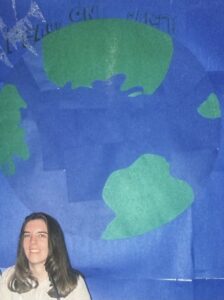
handout explaining holiday traditions, and on judging day, food and music from each culture. Even the staff desk would be transformed into a globe.
A few staff members loved the vision and quietly admitted they wouldn’t have much time to help. That was fine. We gathered cardboard, donated supplies, and whatever we could pull together. Families contributed clothing and food. Slowly the unit came alive. Gondolas. Lanterns. Flags. Music from countries the kids had never visited but were now bringing to life.
The energy on the unit was something. Kids cutting cardboard, painting, arranging, laughing. Excitement everywhere you looked.
Then I noticed Bobby.
He was sitting perfectly still. Stone-faced. Wide-eyed. Everyone around him was moving and laughing and the noise was constant. Bobby looked like he was bracing for something terrible to happen. We were building the Italy section, wrestling cardboard into the shape of a gondola, and he had gone completely still in the middle of all of it.
I asked if he wanted to step into the office.
He didn’t say anything at first. We sat quietly together. And then, in almost a whisper, he told me what was happening. He felt stuck. He was convinced he would never get the gondola to look right and that he would be the one to ruin it for everyone. He didn’t know how to fix it. So he froze.

I felt sad hearing that. And grateful that he felt safe enough to say it out loud.
Then he told me something that broke my heart a little.
At home, his father often told him it was his fault they didn’t have enough money. His shoes and clothing were so expensive. He ate a lot. Bobby froze in grocery stores. He was terrified when his mother picked out food for him and convinced his needs were a burden on everyone around him.
For Bobby, freezing made complete sense. He had learned at home that mistakes or perceived mistakes brought blame and shame. His freeze part was trying to protect him from being the reason the gondola failed.
In Internal Family Systems, this is a protective part. Bobby’s freeze part came forward when the weight of possible failure became too much to hold.
We sat with that for a moment.
Then I told him the project was a team effort. No single person carried the weight of success or failure. Not him. Not anyone. We could work 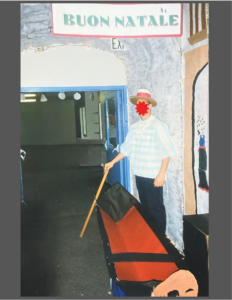 together to finish shaping the gondola. He smiled and said he would like that.
On judging day, our unit took first place. I watched Bobby’s face when they announced it. The pride there was real. It was quiet but his.
That was the win I cared about most.
He had moments when he froze. He was scared and convinced he would ruin everything. He left knowing he was part of something that won. Not despite his freeze part showing up. But because he had the courage to say what was happening, and he didn’t have to finish the gondola alone.
As you read this series, you may start to recognize some of these protective parts. They also live in the pages of The Hallway of Doorknobs: A Journey to the Feelings Inside.
Next week I’ll share another story from that same decorating contest. Same event, different section of the unit, and a very different protective part.
Reflection Questions
- Think of a time when you froze under pressure. What was your freeze part trying to protect you from?
- Have you ever carried the belief that your needs or mistakes were a burden to others? Where did that belief come from?
- What would it mean to hear someone say: I’ll work on this with you?
This post is part of my series, Stories from My Professional Work, exploring protector parts through the lens of Internal Family Systems (IFS). IFS was developed by Dr. Richard Schwartz, whose work continues to shape how I teach, write, and understand the protective parts we all carry.